

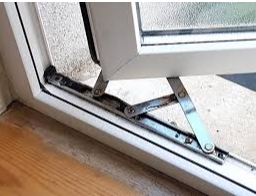
Glazed windows are designed to open and close smoothly while providing insulation, security, and ventilation. Over time, however, the hinges that support these windows can wear out, bend, or fail completely. When this happens, the window may drop, become difficult to close, or allow drafts and water to enter your home. Learning how to replace a glazed window hinge is a valuable DIY skill that can restore your window’s performance and extend its lifespan.
This guide explains everything you need to know, from identifying hinge problems to installing a new hinge safely and correctly.
What Is a Glazed Window Hinge?
A glazed window hinge, often called a friction stay hinge, is the metal component that allows a window to open and hold its position. These hinges are commonly used on uPVC, aluminum, and timber casement windows. They support the weight of the glazed unit and ensure smooth, controlled movement.
When a hinge becomes damaged or worn, the window may sag, rub against the frame, or fail to stay open.
Signs You Need to Replace a Glazed Window Hinge
Knowing when to replace a window hinge can prevent further damage. Common signs include:
- The window is difficult to open or close
- The window drops or sags on one side
- Gaps appear between the window and frame
- The window will not stay open
- Grinding or squeaking noises when moving the window
- Visible rust or corrosion on the hinge
If these issues are ignored, they can lead to broken glass, damaged frames, or security risks.
Types of Glazed Window Hinges
Before replacing a glazed window hinge, it’s important to identify the correct type. Common hinge types include:
Standard Friction Stay Hinges
These are the most common and are available in various lengths to suit different window sizes and weights.
Fire-Rated Hinges
Used in fire-escape windows, these hinges allow the window to open wider for emergency exits.
Easy-Clean Hinges
Designed to allow the window to slide inward for safe and easy cleaning from inside the home.
Restricted Hinges
These include safety restrictors to limit how far a window can open, often used in homes with children.
Choosing the correct hinge type ensures proper fit, safety, and performance.
Tools and Materials You Will Need
Replacing a glazed window hinge is a manageable DIY task with the right tools:
- Screwdriver or power drill
- Replacement glazed window hinge
- Measuring tape
- Pencil or marker
- Safety gloves
- Support block or wooden wedge
Having all tools ready before starting will make the process smoother and safer.
Step 1: Measure the Existing Window Hinge
Accurate measurement is crucial when learning how to replace a glazed window hinge. Measure:
- Hinge length (from end to end)
- Stack height (the height of the hinge when closed)
- Hinge width
- Load capacity (based on window size and glass weight)
Taking the old hinge to a hardware store or supplier can help ensure an exact match.
Step 2: Prepare the Window for Hinge Replacement
Open the window fully and ensure it is supported. Glazed windows can be heavy, so placing a wooden block or wedge under the sash helps prevent it from dropping once the hinge screws are removed.
For larger windows, having a second person assist is highly recommended.
Step 3: Remove the Old Glazed Window Hinge
Follow these steps carefully:
- Locate the screws securing the hinge to the window sash and frame.
- Using a screwdriver or drill, remove the screws from the frame first.
- Remove the screws from the sash side of the hinge.
- Carefully detach the hinge while supporting the window.
Repeat the process for the second hinge if replacing both (which is usually recommended).
Step 4: Position the New Glazed Window Hinge
Place the new hinge in the same position as the old one. Align it carefully with the existing screw holes if possible.
- Attach the hinge loosely to the window sash first.
- Align the hinge with the frame and insert the screws.
- Tighten all screws evenly, ensuring the hinge sits flat and straight.
Avoid over-tightening, as this can damage the window frame or strip the screw holes.
Step 5: Repeat for the Second Hinge
Most casement windows use two hinges—one at the top and one at the bottom. For balanced operation and longevity, it is best to replace both hinges at the same time, even if only one appears damaged.
Step 6: Test and Adjust the Window
Once the new hinges are installed:
- Open and close the window several times
- Check for smooth movement
- Ensure the window aligns properly with the frame
- Confirm the window locks securely
If the window rubs or feels stiff, slight adjustments to the hinge position may be needed.
Common Mistakes to Avoid
When replacing a glazed window hinge, avoid these common errors:
- Using the wrong hinge size or load rating
- Failing to support the window during removal
- Replacing only one hinge on an older window
- Over-tightening screws
- Ignoring frame or sash damage
Taking your time helps ensure a professional-quality result.
When to Call a Professional
While many homeowners can replace a glazed window hinge themselves, professional help may be necessary if:
- The window is very large or heavy
- The frame is cracked or warped
- Screw holes are stripped or damaged
- The window glass is loose or cracked
A professional installer can ensure safety and proper alignment.
Benefits of Replacing a Glazed Window Hinge
Replacing worn hinges offers several advantages:
- Smooth window operation
- Improved energy efficiency
- Better window alignment and sealing
- Reduced risk of glass damage
- Enhanced home security
It is a cost-effective repair that can significantly improve window performance.
Final Thoughts
Understanding how to replace a glazed window hinge allows homeowners to fix common window issues quickly and affordably. With the correct tools, accurate measurements, and careful installation, this DIY task can be completed in a short time while delivering long-lasting results.
Regular maintenance and timely hinge replacement help keep glazed windows safe, functional, and energy-efficient for years to come.

4 Comments
Pingback: hello world
Pingback: lasix diuretic
Pingback: online cialis australia
Pingback: nitrofurantoin 100mg for uti